Personal Training

You Should Not Get Injured During a Training Session

Written by Evelyn Calado, MKin, CSCS, RKin

If you leave a training session injured, something has gone wrong.

That is not normal. It should not be expected. And it is not part of “training hard.”

I have been in this industry for over a decade, and I have seen far too many situations where clients get hurt in the weight room. Not because of bad luck, but because of poor decisions.

The Gym Should Be One of the Safest Places You Train

Think about it.

The weight room is a controlled environment.

  • You control the load

  • You control the movement

  • You control the pace

  • You control the rest

Compare that to sport, where there are opponents, unpredictable movements, and variables you cannot control.

In theory, your injury risk in the gym should be extremely low.

That does not mean training is easy. You should still be challenged. You should still push your limits.

But it should be done in a controlled and intentional way.

Where Things Go Wrong

Most training-related injuries are not random. They come from avoidable mistakes.

1. Ego-Based Training

This is one of the biggest issues.

A client walks in, maybe they look strong or athletic, and the session becomes about proving something. The load goes up too quickly, technique breaks down, and fatigue is ignored.

That is how people get hurt.

2. No Plan

This is more common than people think.

Clients come in and have no idea what they are doing that day. The trainer is choosing exercises on the spot with no structure, no progression, and no record of previous sessions.

Without a plan, there is no progression. Without progression, there is no direction. And without direction, you are just accumulating risk.

3. Poor Exercise Sequencing

Fatigue matters.

If someone is pushed to the point of exhaustion through their legs and core, and then asked to perform a heavy compound lift, that is a problem.

That is not “hard training.” That is poor decision-making.

4. Ignoring the Individual

Not every client should move the same way.

Mobility, injury history, movement patterns, and training experience all matter. If those are ignored, you are forcing someone into positions they are not prepared for.

That is where breakdown happens.

Soreness Is Not the Goal

Another misconception is that a good session should leave you unable to move.

If your trainer’s goal is to completely destroy you, that is a red flag.

  • You should not struggle to sit at your desk

  • You should not be unable to walk for days

  • You should not feel worse instead of better

Anyone can make you tired.

It takes skill to build a program that challenges you, progresses you, and still allows you to function.

What Good Training Actually Looks Like

Good training is not random. It is structured.

  • There is a clear plan

  • There is progression over time

  • Your loads and performance are tracked

  • Exercises are selected for a reason

  • Intensity is managed, not guessed

You are pushed, but within your capacity.

You improve, without being completely broken down in the process.

Playing the Long Game

At Avos Strength, the focus is simple:

Train. Play. Repeat.

The goal is not to win a single session. The goal is to keep you training consistently, improving over time, and continuing to do the things you enjoy.

That means:

  • Checking your ego at the door

  • Building progressively

  • Respecting your current capacity

  • Training with intention

The Bottom Line

The gym should not be where you get injured.

Can things happen occasionally? Yes. But injuries should be rare, not expected.

If you have worked with a trainer and felt unsafe, unsupported, or left sessions worse than when you walked in, that is not something you should accept.

You deserve better coaching than that.

Why “Evidence-Based Training” Means Nothing Without Real Coaching

Written by Evelyn Calado, MKin, CSCS, RKin

The term “evidence-based training” gets thrown around a lot. But what actually makes a coach evidence-based? Reading studies? Having a kinesiology degree? Posting PubMed screenshots on Instagram?

True evidence-based practice goes far beyond quoting research. It is about combining the best available evidence with real-world experience and applying it to the needs of the person in front of you. Too often, that third piece gets ignored.

Foundations First: Coaching Is a Skill, Not a Certificate

You cannot replace lived experience and movement literacy with citations. A coach should know how to move well, demonstrate patterns clearly, and teach with purpose. That takes time under the bar, time on the floor, and years of refining their craft.

You can have a kinesiology degree and still not know how to coach a hinge or assess a client’s squat depth.

At Avos Strength, every junior coach goes through a structured three-month mentorship. They do not just learn protocols. They shadow real sessions, practice cueing, and refine how they coach. Because knowing the “why” is not enough. You also need to know how to deliver the “how.”

Shadowing Matters: Who You Learn From Shapes How You Coach

There is nothing wrong with being new. But good coaches are forged through time, mentorship, and reps.

I shadowed for years without getting paid. Why? Because that is how you build the craft.

Watching seasoned coaches, asking questions, getting feedback, and coaching real people is where you truly grow.

If you are looking to work with a coach, ask:

  • Who did they learn from?

  • Do they train themselves?

  • Do they continue to shadow and learn?

Education without application is just theory.

Yes, the Research Matters. But Know What It Really Says

Let’s be clear. The research is valuable. But it must be understood in context.

Take hypertrophy. For years, people believed you had to train in the 6 to 12 rep range to build muscle. But newer research shows you can build muscle at a wide variety of rep ranges, as long as effort and volume are managed properly.

That means the “best” rep range is the one that fits the person’s goals, experience, and recovery capacity. That is where coaching comes in.

The Bottom Line: Coaching Comes First

Evidence-based is not a title. It is a practice. And that practice only works when you have coaches who understand movement, know how to teach it, and apply research with intention.

If you are a client, look for a coach who:

  • Moves well and teaches movement clearly

  • Understands the research but does not hide behind it

  • Has put in time shadowing and learning from experienced professionals

  • Tailors training to your needs, not just to a textbook

If you are a coach, do the real work. Don’t just quote studies. Learn to coach.

Want to Train with Coaches Who Walk the Talk?

At Avos Strength, we believe in continuous learning and real-world coaching. Every coach trains hard, studies smart, and stays on the floor. We do not just say we are evidence-based. We prove it in every session.

Click to Start Training with Us

The Small Group Effect: How Training Together Can Lead to Big Results

At Avos Strength, we believe that strength and fitness are about more than just the weight you lift or the miles you run. It’s about the environment you create, the people who support you, and the results you achieve together. Small group training offers an ideal balance of personalized attention and community-driven motivation, helping you unlock your potential in ways that solo training simply can’t.


What Is Small Group Training?

Small group training at Avos Strength combines the expertise of personalized coaching with the camaraderie of training alongside others. Our sessions are designed for groups that you create yourself, ensuring that each participant receives individualized feedback while benefiting from the energy of a group setting. It’s a cost-effective way to access high-quality coaching while building connections with like-minded individuals.


Why Small Groups Work

1. Personalized Attention Without the Price Tag

One-on-one training is excellent for targeted results, but small group training allows for tailored coaching at a fraction of the cost. At Avos Strength, we assess each participant’s needs, past injuries, and goals to ensure that your program works for you—even in a group setting.

2. Accountability Through Community

Training in a group fosters accountability. When you’ve got a group of people cheering you on and expecting you to show up, it’s easier to stay consistent. At Avos Strength, our clients often find that their group becomes a source of encouragement and inspiration, pushing them to show up and give their best.

3. Healthy Competition Drives Progress

Friendly competition can be a powerful motivator. Seeing your peers work hard inspires you to do the same. Whether it’s hitting a new personal best on a lift or mastering a challenging movement, the group dynamic helps you push beyond your limits.

4. Stronger Together

Training in a small group builds a sense of community. Our clients often say that their group feels like a team, celebrating milestones together and supporting each other through challenges. It’s not just about getting stronger physically; it’s about building a support system that lifts you up.


What to Expect in Small Group Training at Avos Strength

  • Customized Programs: Each participant follows a program tailored to their goals and abilities, designed by Evelyn Calado, a registered Kinesiologist and CSCS-certified strength coach with over a decade of experience.

  • Expert Coaching: With close oversight, you’ll learn proper form, progress safely, and address your individual needs.

  • Flexible Scheduling: Create your own group and book sessions that fit your schedule. We’ll work with you to find times that accommodate everyone in your group.

  • Hybrid and Remote Options: Can’t always make it to the gym? No problem. Our app-based programs allow you to stay consistent, whether you’re training in person or remotely.


The Avos Strength Difference

At Avos Strength, we’re committed to building strong foundations for every client. Our small group training is rooted in science and tailored to individual needs, ensuring you’re not just working out—you’re training with purpose. We prioritize quality over fads, focusing on long-term results and a sustainable approach to health and fitness.

Whether you’re a beginner or an experienced athlete, small group training at Avos Strength offers the guidance, motivation, and community you need to succeed. Ready to see how the small group effect can lead to big results? Let’s get started.

Train. Play. Repeat.

The Essentials of Effective Personal Training

Introduction: Personal training has become an essential part of achieving fitness goals efficiently, safely, and with the right guidance. Whether you're aiming to build muscle, lose weight, recover from an injury, or simply improve your overall health, a personal trainer can offer the knowledge, support, and motivation needed to succeed. In this post, we'll break down the essentials of effective personal training and what sets quality personal training apart.

1. Personalized Assessment and Goal Setting

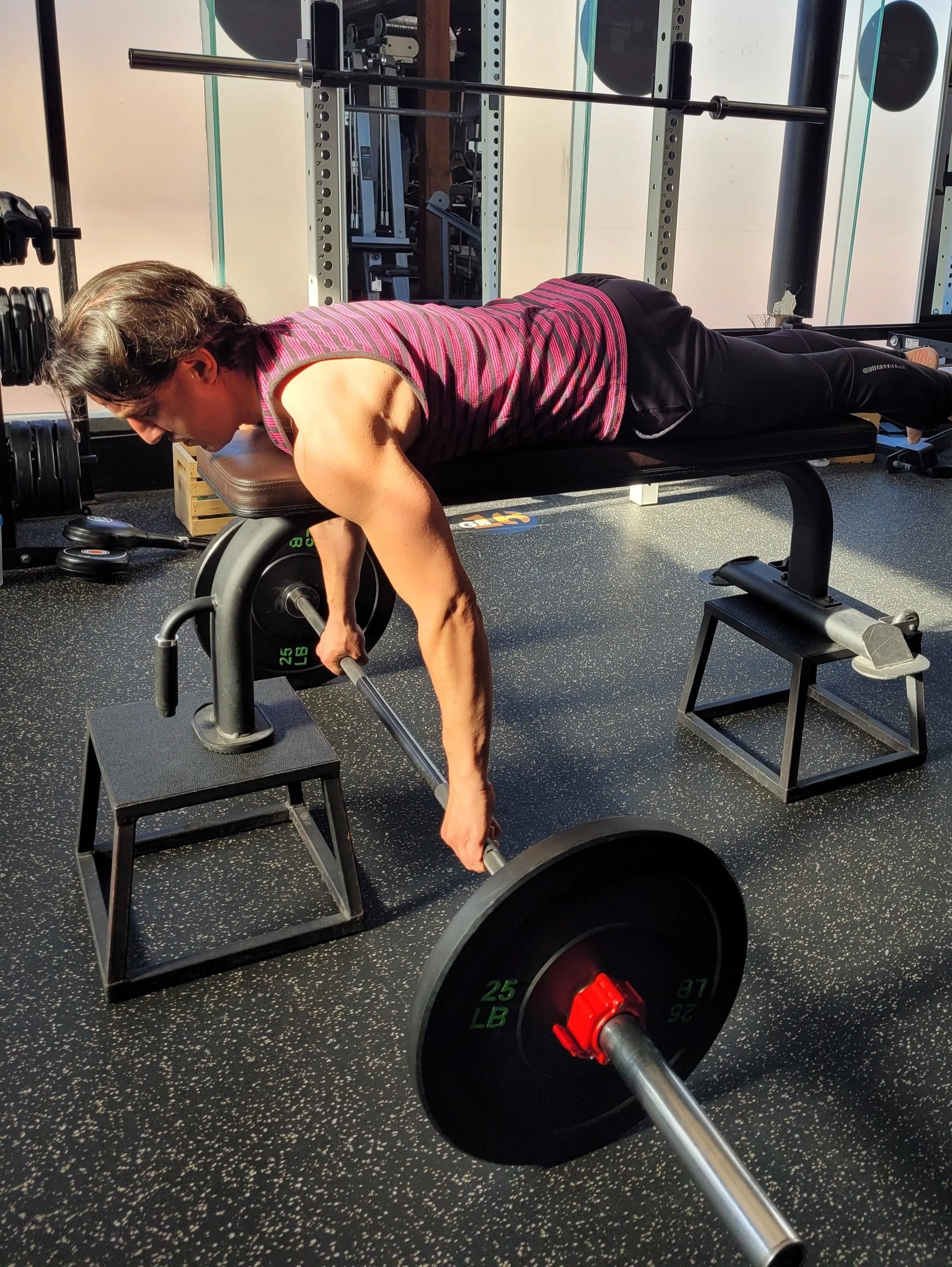
Avos Strength Table Assessment - Individualized Assesments

Every client gets assessed at Avos Strength - Here is one of our assessments: the table test.

Effective personal training begins with an individualized assessment. This step is critical in understanding each client’s unique needs, goals, strengths, and limitations. The best personal trainers don’t follow a one-size-fits-all approach; instead, they take the time to learn about your current fitness level, any past injuries, lifestyle, and specific objectives. This leads to the development of a personalized training plan that is tailored for you.

Why it Matters: Without a customized approach, training programs can feel generic and may not yield the best results. A well-structured assessment allows a personal trainer to design a plan that’s both challenging and achievable, aligning with your health and fitness goals.

2. Education and Proper Technique

One of the core benefits of personal training is learning how to perform exercises safely and effectively. An effective personal trainer will focus on technique, teaching you how to execute each movement correctly to maximize results and minimize the risk of injury.

Why it Matters: Poor form is one of the main causes of injuries in the gym. With the guidance of a knowledgeable personal trainer, you can build a strong foundation of proper technique, empowering you to perform exercises independently and with confidence. Plus, understanding why each exercise is included helps you stay motivated and committed. At Avos Strength, our coaches bring years of experience, advanced certifications, and a deep commitment to client success, ensuring that every exercise we choose is purposeful and aligned with your goals.

3. Accountability and Consistency

Staying motivated can be one of the biggest challenges in any fitness journey. Personal training provides a built-in layer of accountability—your trainer will ensure that you show up, stay on track, and keep progressing.

Why it Matters: Studies show that individuals who have a support system, like a personal trainer, are more likely to stick with their fitness programs. This consistent support helps you stay focused, even when motivation wanes. Knowing you have someone invested in your success can make all the difference on those days when it feels hard to keep going.

4. Program Adjustments Based on Progress

Effective personal training is adaptive. As you progress, your trainer will adjust your program to keep it challenging and aligned with your evolving goals. This flexibility ensures that you’re constantly working at an optimal level—neither underperforming nor overtraining.

Why it Matters: Training that adapts to your progress prevents plateaus, keeps things interesting, and reduces the likelihood of injury from overtraining. Regular program adjustments are an essential part of sustainable progress.

5. Support for Lifestyle Changes

Personal training goes beyond workouts. The best personal trainers help clients integrate positive habits into their daily lives, such as improving sleep, managing stress, and making healthier dietary choices. These holistic changes contribute to better results and a higher quality of life.

Why it Matters: Fitness isn’t just about exercise; it’s about an overall approach to health. Personal trainers who address aspects beyond the gym help their clients achieve balanced and lasting results.

6. Emphasis on Long-Term Health and Injury Prevention

Effective personal training aims to create a sustainable, healthy lifestyle. Trainers prioritize injury prevention and safe training practices, teaching clients how to care for their bodies while still pushing themselves toward their goals. This ensures that clients can stay active and injury-free in the long term.

Why it Matters: Injury setbacks can disrupt progress and discourage people from maintaining an active lifestyle. A skilled personal trainer helps prevent injuries by incorporating safe, appropriate exercises and educating clients on proper warm-ups and mobility work.

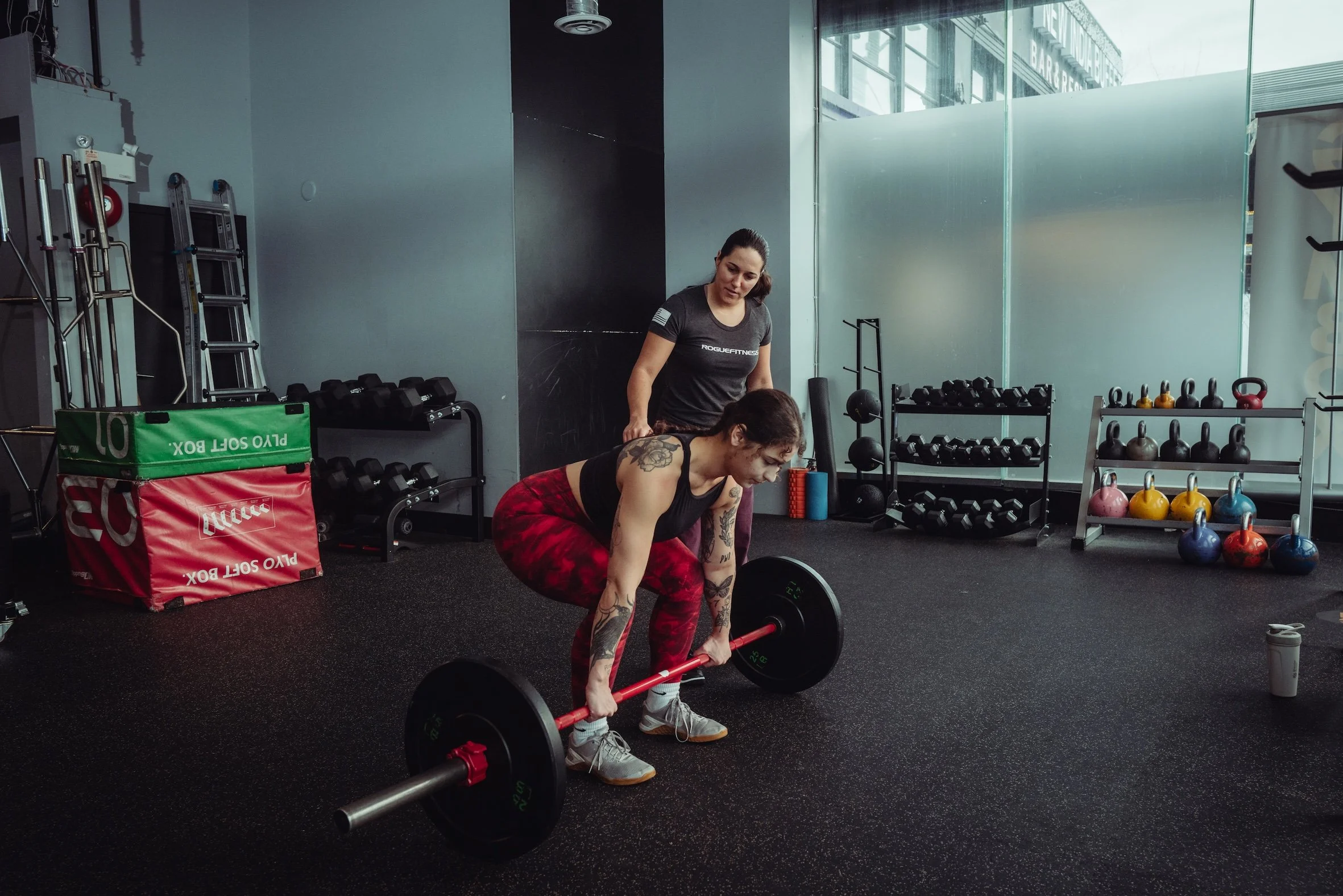
personal training session at Avos Strength

Perform at a high level at any age, so you can continue to play the sports you love and stay injury free,

7. Success Stories and Client Testimonials

When choosing a personal trainer, it’s helpful to look at their previous clients' success stories and testimonials. These firsthand accounts provide insight into the trainer’s ability to help clients reach their goals and make lasting changes.

Why it Matters: Success stories demonstrate that a trainer is skilled at tailoring programs to a range of goals, needs, and fitness levels. Seeing real results can also inspire you to commit to your own training journey.


Conclusion:

Personal training is more than just exercise—it’s a journey toward improved health, fitness, and confidence. With a skilled personal trainer by your side, you’ll receive customized guidance, support, and motivation to make meaningful, lasting changes. At Avos Strength, we understand the essentials of effective personal training and are dedicated to helping each client achieve their unique fitness goals safely and effectively.


If you’re ready to see how personal training can transform your fitness and overall well-being, contact Avos Strength today to schedule a consultation. Discover what a personalized approach can do for your health and fitness!