Injury Prevention

ACL Injuries: How They Occur, Who Is at Risk, and Why Training Quality Matters (Part 1)

Written by Michael Crawley, BSc, BPT, CSCS


BACKGROUND

Anterior cruciate ligament injuries (ACLI) are often viewed as sudden, unavoidable events that are “fixed” through surgery. In reality, both injury risk and long-term outcomes are strongly influenced by training quality, rehabilitation approach, and the decisions made before and after injury.

This article highlights the complexity of ACL injuries, explains how and why they occur, and outlines key training and rehabilitation considerations that influence risk and return to sport outcomes. While ACL injuries are often discussed in isolation, they are rarely simple knee injuries, and successful outcomes require a broader, long-term view.

The information presented is intended to provide practical, actionable insight for a range of athletes and stakeholders, including:

  • Youth multi-sport athletes and their parents

  • High-level collegiate and professional athletes

  • Competitive recreational athletes of all ages

ACLI have increasingly been described as an epidemic across both amateur and professional sport. Several studies report that ACL injuries account for approximately 50 percent of knee injuries. Over the past 10 to 20 years, female and youth athletes have experienced the largest increase in incidence. Childers et al. (2025) identified female adolescent athletes as the highest-risk group, with a 1.5-fold increased risk compared to their male counterparts.

Importantly, ACL injuries often occur alongside meniscal and cartilage damage. These associated injuries substantially increase the risk of long-term joint degeneration, including osteoarthritis and the need for total knee replacement (Petushek et al. 2019). This added complexity also plays a significant role in surgical decision-making and long-term outcomes.


HOW DOES THIS HAPPEN

ACL injuries generally fall into two categories:

  1. Contact injuries

  2. Non-contact injuries, which account for nearly 80 percent of all ACL ruptures (Beaulieu et al. 2023)

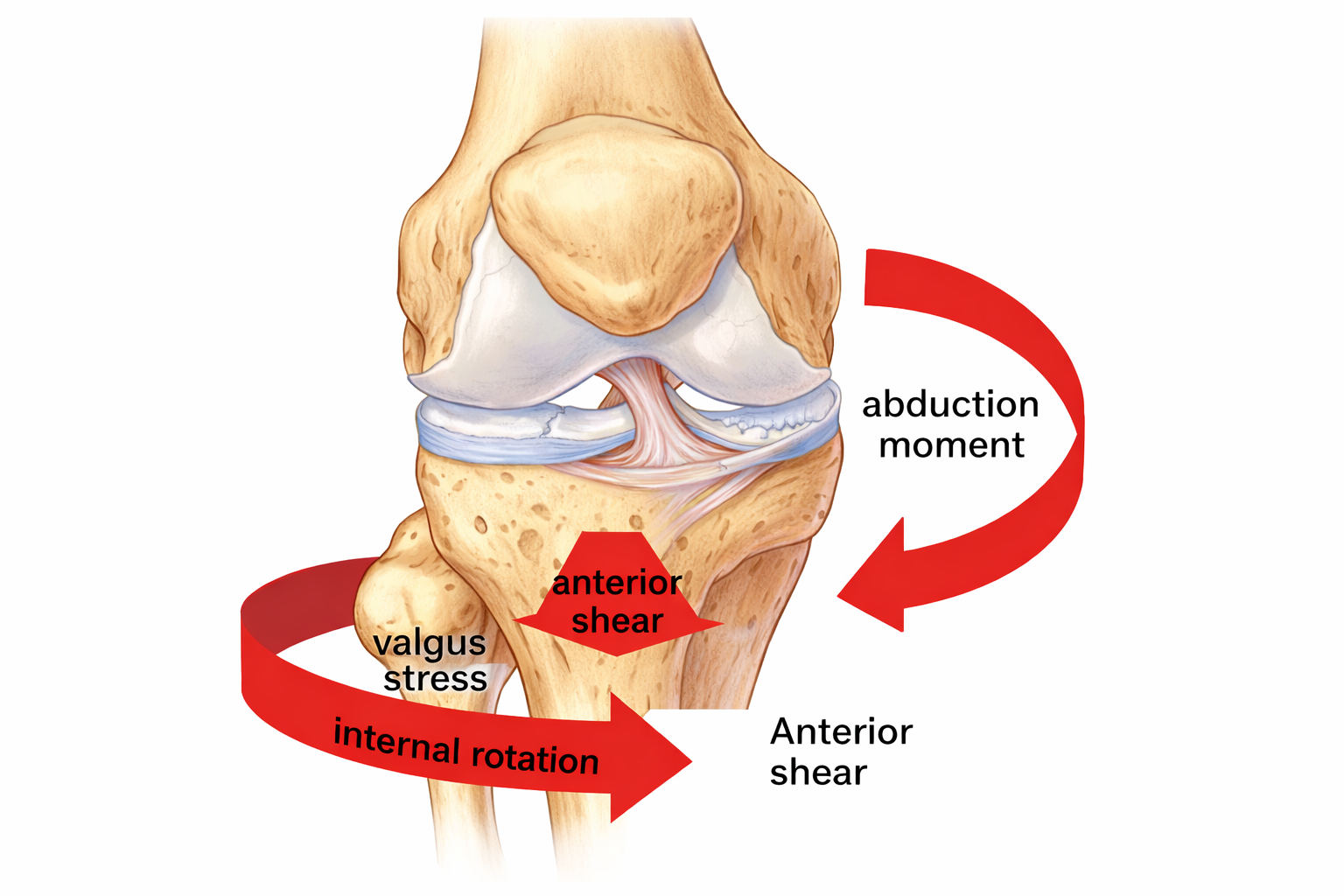
Most non-contact injuries occur during high-speed or high-load movements such as single-leg landings, rapid deceleration, or sharp changes of direction. These movement patterns are common across many sports and can occur both during high-intensity competition and through repeated lower-intensity exposures over time.

Sports such as basketball, soccer, netball, and rugby place consistent demands on these movement patterns, emphasizing the importance of preparing athletes not only for isolated high-risk moments, but also for cumulative loading over a season.


RISK FACTORS AND TRAINING IMPLICATIONS

ACL injury risk is influenced by a combination of anatomical, biomechanical, and training-related factors. While some risk factors cannot be changed, many can be meaningfully influenced through education and training.

Female Athlete Considerations

In female athletes, structural features of the tibia, such as posterior tibial slope, along with hormonal influences on ligament laxity, contribute to an increased risk of ACL injury (Kikuchi et al. 2022; Beaulieu et al. 2023).

While these factors cannot be modified, they highlight the importance of early education for young female athletes and their coaches. Building awareness around neuromuscular control, strength development, and movement quality is a critical component of risk reduction.

Playing Surface

Research examining the influence of playing surface has produced mixed findings. However, some studies report higher ACL injury rates in NFL athletes competing on artificial surfaces compared to natural grass (Hershman et al. 2012).

Although athletes cannot always control the surface they compete on, training exposure can be diversified. Incorporating training on a variety of surfaces may help improve adaptability and tolerance to different loading conditions prior to competition.

Fatigue and Repetitive Loading

Emerging evidence suggests that ACL rupture does not always result from a single traumatic event. Fatigue and repetitive sub-maximal loading may contribute to progressive ligament failure over time (Wojtys et al. 2016).

From a training perspective, building tissue capacity in key muscle groups such as the hamstrings, quadriceps, calves, and adductors may increase tolerance to repeated stress and reduce injury risk.

Whole-Body Strength and Neuromuscular Control

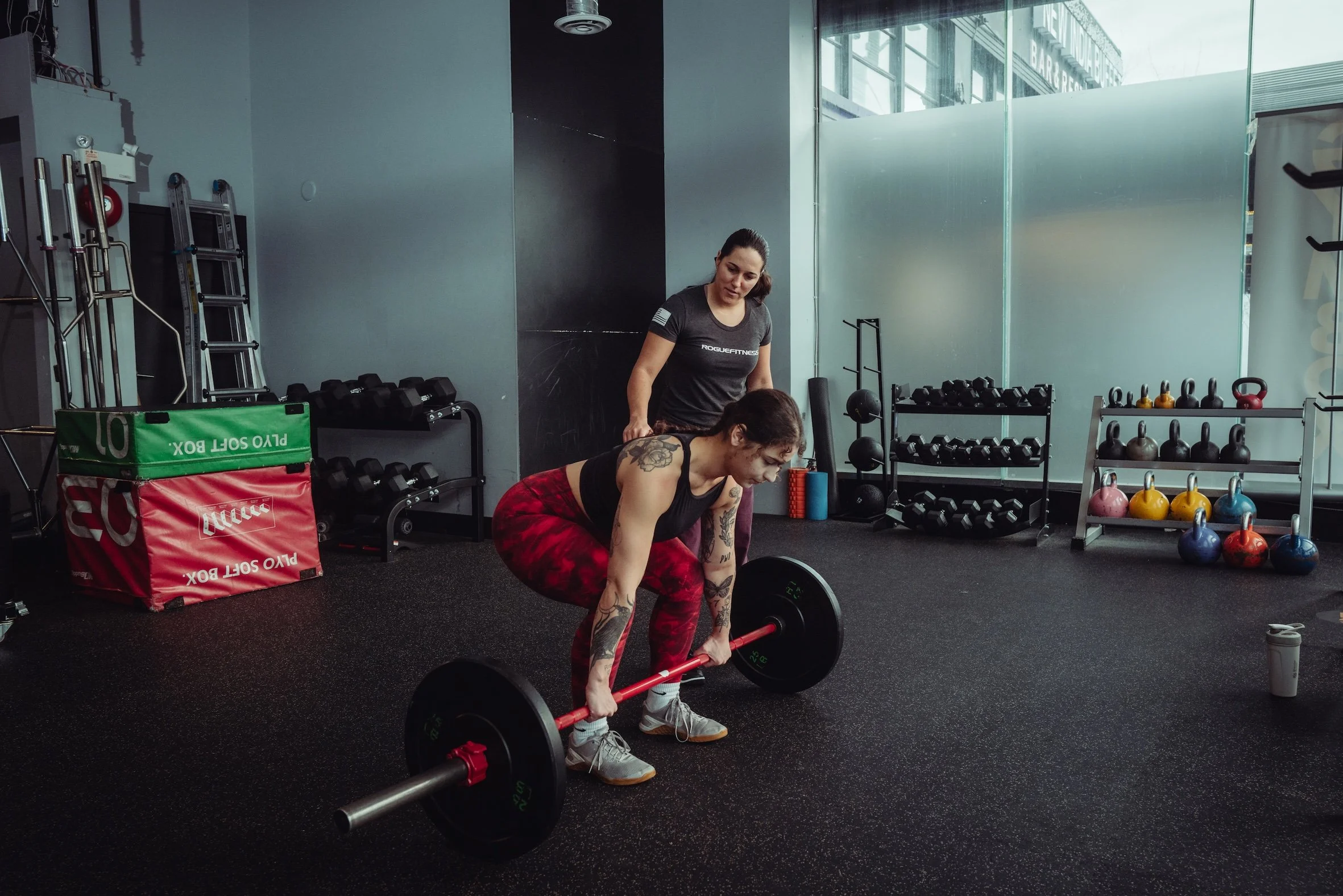
Although ACL injuries occur at the knee, load can be transmitted from both the top down and bottom up through the kinetic chain. Poor three-dimensional strength across the trunk, hip, knee, and ankle can increase stress on different portions of the ACL (Beaulieu et al. 2023).

Training that develops strength in multiple planes of motion, both in isolated exercises and integrated movement patterns, helps improve robustness and neuromuscular control.

For example, multi-directional jumping exercises can target trunk, hip, knee, and ankle coordination simultaneously:


WHAT IS CONSIDERED SUCCESSFUL ACL REHABILITATION AND HOW IS IT ACHIEVED

Over the past decade, the definition of successful return to sport (RTS) following ACL injury has evolved. A well-regarded Canadian kinesiologist, Carmen Bott, emphasizes that simply returning to sport is not the same as returning successfully.

Long-term data highlight the difficulty of maintaining sport participation following ACL injury. Pinheiro et al. (2022) reported that among elite athletes followed over five years, participation at the same competitive level declined from 75 percent in year one to just 20 percent by year five.

Outcomes are even less favorable in competitive amateur athletes. Approximately 65 percent return to pre-injury level, with overall return to competitive sport roughly 10 percent lower (Nwachukwu et al. 2019).

Following a well-structured, progressively loaded strength and conditioning program can enhance both physical capacity and confidence during rehabilitation. A simplified progression may include:

This progression represents only a snapshot of a rehabilitation process that commonly spans 9 to 12 months. Progression should be goal-oriented rather than time-driven, with athletes meeting clearly defined prerequisites before advancing.


TO CUT OR NOT (NOT MEDICAL ADVICE)

When an athlete is diagnosed with an ACL injury, the immediate assumption is often that surgery is required. Indeed, 98 percent of orthopaedic surgeons recommend ACL reconstruction for athletes aiming to return to sports involving running, cutting, and jumping (Weiler et al. 2015).

However, surgery is not always the appropriate choice. Non-operative management may be suitable depending on several factors (Komnos et al. 2024), including:

  • Individual expectations and current sport level

  • Presence of concomitant injuries such as meniscal or cartilage damage

  • Degree of knee laxity and perceived instability

Fitzgerald et al. (2000) classified individuals into three groups:

  1. Copers: return to pre-injury level of sport

  2. Adapters: return to a reduced level to avoid instability

  3. Non-copers: unable to return due to persistent instability

A notable example is a Premier League footballer who returned to play eight weeks after a complete ACL rupture without surgery (Weiler et al. 2015). While this represents a single case, it highlights the importance of individualized decision-making.

What Does This Mean for Non-Professional Athletes?

Athletes outside professional systems should:

  • Ask detailed questions about the structures involved in their injury (ACL only vs associated damage)

  • Communicate subjective symptoms such as instability, confidence, or locking

  • Clarify long-term goals, whether returning to competition or maintaining an active lifestyle

  • Consider an initial period of structured rehabilitation before committing to surgery, particularly when instability is not present

In the Premier League case study, the athlete consulted three surgeons, two of whom recommended surgery, while one supported a conservative rehabilitation-first approach. This underscores the value of informed discussion and shared decision-making.


SUMMARY AND KEY TAKEAWAYS

  • ACL injuries are complex and influenced by multiple interacting factors including age, sex, sport demands, training exposure, and movement quality.

    • Educating female athletes about menstrual cycle considerations and ligament laxity may be beneficial.

    • Monitoring training load during high knee-stress activities is important.

    • Developing tissue capacity through comprehensive strength training can enhance tolerance to stress.

  • Returning to previous levels of sport remains challenging, particularly for non-professional athletes.

    • Rehabilitation should be thorough and guided by experienced practitioners.

    • Successful return to play depends on strength, neuromuscular control, and power that match sport-specific demands.

  • Surgery is not the only option.

    • Decisions should be made collaboratively between the athlete, physiotherapist, and surgeon.

    • Clear communication around injury extent and long-term goals leads to better outcomes.


Looking for Individualized Support?

If you’re currently dealing with an ACL injury, returning from surgery, or unsure how to safely progress your training, working with an experienced coach can make a meaningful difference.

Michael works closely with athletes across all levels and has extensive experience supporting ACL rehabilitation and return-to-sport training in collaboration with physiotherapists and medical professionals.

If you’d like to explore whether coaching support is right for you, you can book an initial assessment here.


PART 2: WHAT TO EXPECT

The next article will focus specifically on female and youth athletes and will explore:

  • Graft selection considerations when surgery is required

  • The role of prehabilitation in improving long-term outcomes


References

Beaulieu, M. L., Lamontagne, M., Xu, L., & Li, G. (2023). Loading mechanisms of the anterior cruciate ligament. Sports Biomechanics, 22(1), 1–29. https://doi.org/10.1080/14763141.2021.1916578

Childers, J. D., Weiss, L. J., Pennington, Z. T., Nwachukwu, B. U., & Allen, A. A. (2025). Reported anterior cruciate ligament injury incidence in adolescent athletes is greatest in female soccer players and athletes participating in club sports: A systematic review and meta-analysis. Arthroscopy, 41(3), 774–784.e772. https://doi.org/10.1016/j.arthro.2024.03.050

Fitzgerald, G. K., Axe, M. J., & Snyder-Mackler, L. (2000). A decision-making scheme for returning patients to high-level activity with nonoperative treatment after anterior cruciate ligament rupture. Knee Surgery, Sports Traumatology, Arthroscopy, 8(2), 76–82. https://doi.org/10.1007/s001670050190

Hershman, E. B., Anderson, R., Bergfeld, J. A., Bradley, J. P., Shelbourne, K. D., Sills, A., & McGuire, K. J. (2012). An analysis of specific lower extremity injury rates on grass and FieldTurf playing surfaces in National Football League games: 2000–2009 seasons. The American Journal of Sports Medicine, 40(10), 2200–2205. https://doi.org/10.1177/0363546512458888

Kikuchi, N., Hara, R., Hiranuma, K., Nakazawa, R., & Fukubayashi, T. (2022). Relationship between posterior tibial slope and lower extremity biomechanics during a single-leg drop landing combined with a cognitive task in athletes after ACL reconstruction. Orthopaedic Journal of Sports Medicine, 10(7), 23259671221107931. https://doi.org/10.1177/23259671221107931

Komnos, G. A., Kotsifaki, A., Dingenen, B., & Gokeler, A. (2024). Anterior cruciate ligament tear: Individualized indications for non-operative management. Journal of Clinical Medicine, 13(20), Article 6233. https://doi.org/10.3390/jcm13206233

Nwachukwu, B. U., Chang, B., Voleti, P. B., Berkanish, P., Cohn, M. R., & Allen, A. A. (2019). How much do psychological factors affect lack of return to play after anterior cruciate ligament reconstruction? A systematic review. Orthopaedic Journal of Sports Medicine, 7(5), 2325967119845313. https://doi.org/10.1177/2325967119845313

Petushek, E. J., Sugimoto, D., Stoolmiller, M., Smith, G., & Myer, G. D. (2019). Evidence-based best-practice guidelines for preventing anterior cruciate ligament injuries in young female athletes: A systematic review and meta-analysis. The American Journal of Sports Medicine, 47(7), 1744–1753. https://doi.org/10.1177/0363546518782460

Pinheiro, V. H., Mascarenhas, R., Saltzman, B. M., & Nwachukwu, B. U. (2022). Rates and levels of elite sport participation at 5 years after revision ACL reconstruction. The American Journal of Sports Medicine, 50(14), 3762–3769. https://doi.org/10.1177/03635465221127297

Weiler, R., Monte-Colombo, M., Mitchell, A., & Haddad, F. (2015). Non-operative management of a complete anterior cruciate ligament injury in an English Premier League football player with return to play in less than 8 weeks: Applying common sense in the absence of evidence. BMJ Case Reports, 2015, bcr2014208012. https://doi.org/10.1136/bcr-2014-208012

Wojtys, E. M., Beaulieu, M. L., Ashton-Miller, J. A., & Newcomb, W. (2016). New perspectives on ACL injury: On the role of repetitive sub-maximal knee loading in causing ACL fatigue failure. Journal of Orthopaedic Research, 34(12), 2059–2068. https://doi.org/10.1002/jor.23441

Sculpting Life with Light: The Free Supplement That Improves Health and Performance

Written by Michael Crawley, BSc, BPT, CSCS

Following on from Evelyn’s previous blog post on vitamin D, I want to go deeper into the relationship between sunlight and performance, because light is more than just a source of vitamin D. It interacts with every system in the body, and when used intentionally, it can support energy, recovery, and resilience in powerful ways.

Morning and Evening Light: Nature’s Built-In Protection

Most people intuitively know that sunlight feels different early in the morning and late in the evening. That’s because these times have less UV and more infrared light, which makes them gentler on the skin.

  • Morning light prepares your skin for UV exposure later in the day

  • Evening light helps repair any UV-related damage by supporting skin recovery
    (Barolet et al. 2016)

This light exposure builds what researchers call a “solar callus”; which is your skin’s tolerance to sunlight. If you skip early and late sun throughout spring and summer, you won’t be adapted to the higher UV exposure of midsummer. Think of it like training volume: if you suddenly try to sprint a marathon without a base, your system isn’t ready.

Light and Nutrition: Feeding the Powerhouse

Nutrition matters for health, performance and recovery, but it’s your mitochondria—the energy factories in your cells—that actually convert nutrients into usable energy.

These mitochondria aren’t just passive processors. They evolved from ancient bacteria that merged with human cells, giving us a massive energy advantage in the evolutionary race (Martin & Mentel, 2010).

Here's the kicker of how it ties in with light:

  • Infrared light (especially in the morning and evening) supports mitochondrial function, enhancing energy production and reducing cellular stress (Arranz-Paraíso et al., 2023)

  • Always eating meals, indoors under artificial light or while watching a screen, may be hampering energy utilization

  • Obviously it is not always possible to eat outside or match the rhythm of the seasons and days. But, if you have the chance to eat breakfast outside or catch the sunrise with your morning coffee, take it. It is certainly a choice I would encourage.  

Circadian Rhythm, Injury and Rehab

Circadian rhythm might sound technical, but it's really just your body's internal timing system. Every organ in your body, including your muscles, liver, kidneys, and tendons, has its own internal clock. These clocks help control when key processes like energy production, waste removal, and tissue repair happen.

If everything happens at once, the system falls apart. Imagine working at an airport where every flight tries to take off and land at the same time. That’s what happens in the body when your circadian rhythm is off.

Your body’s master clock (called the suprachiasmatic nucleus) is located just behind your eyes. It keeps all the other cellular clocks running in sync, and it’s set primarily by light, both through your eyes and your skin.

Why It Matters for Injuries

If you're dealing with something like tendinopathy (whether Achilles, patellar, or otherwise), improving your circadian rhythm can help improve your rehab outcomes.

Recent research by Møbjerg et al. (2025) highlights how timing impacts tendon healing and adaptation. Scheduling rehab in the morning or aligning your recovery routine with your body’s natural rhythm can make a meaningful difference.

Cartilage health may also benefit. A 2023 review by Rogers and Meng suggests that long-term outcomes in osteoarthritis and cartilage degeneration could be improved by supporting your circadian health and light environment.

Over time, this is where the airport analogy can occur in the body. The master clock losing control over other body cell clocks.

When Modern Life Gets in the Way

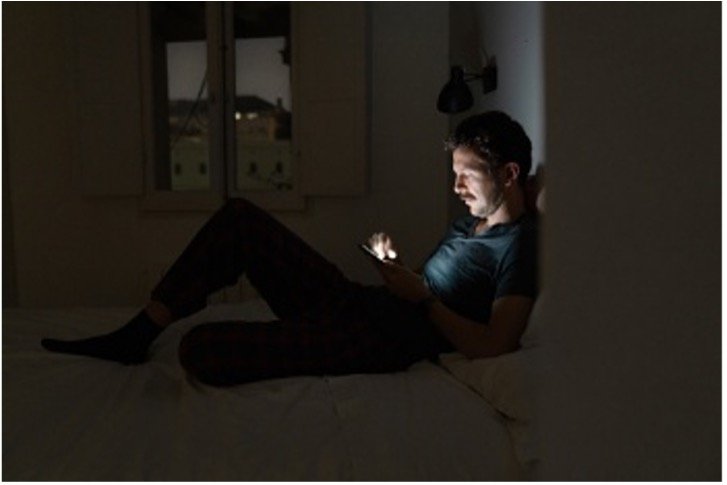
This is where excessive technology at night can create problems. High colour temperature lighting and excessive blue light exposure in the evening can trick the master clock into thinking it is earlier in the day than it actually is.

This exposure mainly comes from phones, laptops, tablets, and modern LED lighting. Over time, this constant signal disruption interferes with the body’s natural timing, making it harder to regulate sleep, recovery, and tissue repair.

Over time, this misalignment disrupts your body's internal timing, which can throw off recovery, sleep, and performance. The result is internal chaos (like our crowded airport) where energy production, healing, and cellular turnover all fall out of sync.

If you're serious about performance or injury rehab, it’s not just about what you do in the gym. It’s also about when and how your body is able to recover. And light plays a bigger role than most people realize.

Easy IMplementation

  • Get outside early: Morning sunlight on your skin and eyes before technology or meals can anchor your circadian rhythm.

  • Bookend your day with light: Morning and evening light help your body adapt to stronger sun exposure and support repair.

  • Rehab with timing: Improving circadian rhythm can help rehabilitate and improve the health of tendons and cartilage.

  • Control your night environment: Use soft, warm lighting in the evening. Try candles, red-spectrum bulbs, or blue light filters (e.g., Iris for screens).

You can’t out-supplement a poor light environment. Sunlight is free, powerful, and foundational to human health; and learning to use it wisely can support everything from injury recovery to daily energy.


References

  • Barolet D, Christiaens F, Hamblin MR. Infrared and skin: Friend or foe (2016). J Photochem Photobiol B;155:78-85. doi: 10.1016/j.jphotobiol.2015.12.014.

  • Martin W, Mentel M. The Origin of Mitochondria. Nature Education 3(9):58 (2010).

  • Arranz-Paraíso D, et al. Mitochondria and light: An overview of the pathways triggered in skin and retina with incident infrared radiation. J Photochem Photobiol B: Biology (2023), 238, p. 112614. doi: 10.1016/j.jphotobiol.2022.112614.

  • Møbjerg A, et al. Role of the tendon circadian clock in tendinopathy and implications for therapeutics. Int J Exp Pathol. 106(3), 2025.

  • Rogers N, Meng QJ. Tick tock, the cartilage clock. Osteoarthritis and Cartilage 31(11), 1425-1436 (2023). doi: 10.1016/j.joca.2023.05.010.

Strength Training for Longevity: Staying Active, Capable, and Competitive as You Age

Written by Evelyn Calado, MKin, CSCS, RKin


For most people, aging means slowing down, getting injured more often, and gradually stepping away from the sports or activities they once loved.
But it doesn’t have to be that way.

At Avos Strength, one of our core goals is helping people stay active and strong enough to keep doing what they love. Whether that’s playing hockey, hiking, running around with grandkids, or competing in tennis well into their seventies.

Longevity isn't just about living longer. It's about being able to play longer.

Strength Training Is the Foundation

The research is clear: strength training is one of the most powerful tools for healthy aging.

The Canadian Physical Activity Guidelines recommend that adults engage in strength training at least two times per week. Not just walking. Not just stretching. Strength work.

Why?

Because as we age, we naturally lose:
• Muscle mass (sarcopenia)
• Bone density (osteopenia)
• Balance and coordination
• Speed and power

None of that is inevitable if you stay consistent and take action early.

Strength training helps maintain lean mass, reinforce bone density, improve joint integrity, and significantly reduce the risk of falls, fractures, and injuries. It improves your ability to move, lift, rotate, decelerate, and react. These skills matter whether you’re skiing or just stepping down a curb.

Our Clients Are Proof

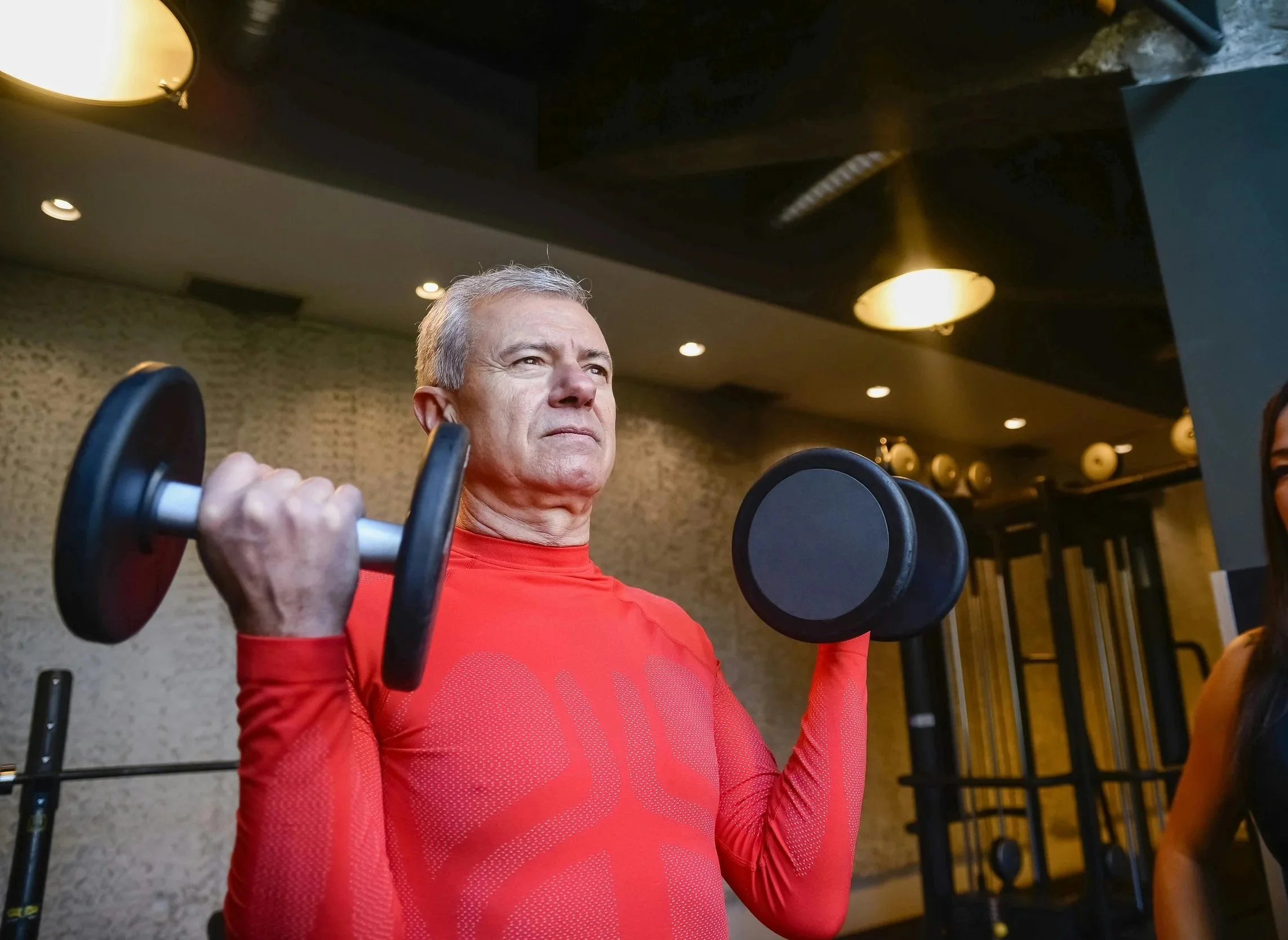
We work with clients in their sixties, seventies, and beyond who are still playing high-level sports. Hockey. Tennis. Pickleball. Soccer.

They’re not outliers because of genetics. They’re still going because they’ve trained consistently for years. They’ve built capacity and resilience. And now they’re seeing all their peers slow down, drop off, or get injured while they’re still showing up and performing.

That’s not luck. That’s training age, smart coaching, and commitment.

It's Never Too Late to Start

You don’t need to start in your thirties or forties to benefit from strength training.

We’ve seen people start in their sixties and still build muscle, improve balance, regain confidence, and feel better than they have in years.

The science backs this up. You still have the ability to increase strength, coordination, and motor control at any age. What matters is that you start now and do it with support and structure.

The Right Attitude Is Just as Important

Training isn’t just physical. It’s mental. And the attitude you bring into the gym matters just as much as the exercises you do.

We don’t work with clients who say things like:
"I can’t do that."
"I’m too old."
"That’s not for someone like me."

Because the more you say you can’t, the more you won’t.

You still have the ability to wire new movement patterns, build new neural pathways, and develop new skills. Research shows that your brain and body are capable of adapting well into later life. You just have to give them the opportunity.

We will always coach you safely and program with purpose. But you need to be willing to try.

The clients who see long-term success are the ones who stay curious, open, and engaged. They say yes more than they say no. That mindset carries them forward.

This Is a Lifestyle, Not a 3-Month Fix

At Avos Strength, we don’t believe in quick fixes or short-term programs. This isn’t a three-month transformation. This is long-term development.

Strength training is not just about lifting weights. It’s about:
• Building confidence in your body
• Staying resilient against injury
• Learning skills that stay with you
• Creating structure in your week
• Building meaningful relationships with coaches and teammates who support you

Our clients train with us because they want to live well and play hard for as long as possible. And they enjoy the process along the way.

The Bottom Line

Strength training is one of the best investments you can make for your future self.

Whether you're trying to stay in the game, reduce your injury risk, or simply move better and feel stronger, it’s never too late to start. What matters is that you stay consistent, train with intention, and surround yourself with people who care about your long-term success.

Train. Play. Repeat.

If you're ready to build a strong, capable version of yourself, we’re here for that.
Book a session with Avos Strength and let’s get started.

Why Dorsiflexion Matters in Plyometric Drills

Written by Evelyn Calado, MKin, CSCS, RKin


In plyometric drills—whether it’s bounding, skipping, or pogo hops you’ll often hear the cue:

“Dorsiflex your foot!”

But why does that matter?

Dorsiflexion (pulling your toes up toward your shin) might seem like a small technical detail, but it has a big impact on performance, coordination, and injury prevention.

You can see in the above video how I dorsiflex my foot (by pulling my toes up) as I’m in the air, before I land again for the next pogo hop.

1. Prepares the Ankle for Stiffness and Quick Rebound

Dorsiflexion creates a rigid lever at the ankle joint, allowing the lower leg and foot to act like a spring. This increases reactive strength—your body’s ability to quickly absorb and release force—which is essential for explosive movements. The result? Shorter ground contact times and a faster, more elastic rebound off the ground.

📚 Weyand et al. (2000) showed that faster sprinters generate higher vertical forces during short ground contact times, a quality supported by stiff ankle positions.
📚 Nagahara et al. (2014) observed that dorsiflexion supports greater horizontal force during sprinting due to increased ankle stiffness.

2. Optimizes Force Transfer

A dorsiflexed foot puts your lower leg in the right position to transmit force efficiently. When your foot is loose or pointed downward (plantarflexed), energy leaks through the ankle, reducing your power output. Dorsiflexing locks the chain in place so every contact helps drive you forward instead of absorbing momentum.

3. Enhances Neural Readiness and Coordination

Dorsiflexion activates key stabilizing muscles like the tibialis anterior, reinforcing good joint alignment and movement mechanics. It trains your body to better coordinate the timing of your stride or jump, improving motor control for athletic skills like sprinting, decelerating, or changing direction. Over time, this improves both performance and efficiency.

📚 Fong et al. (2011) and others note that anterior tibialis activation is essential for controlled foot placement and efficient ground interaction in gait and athletic movement.

4. Encourages Safer Movement Patterns

A dorsiflexed position encourages midfoot or forefoot landings, reducing heel striking and lowering the impact forces on joints like the knees, hips, and lower back. It also places the ankle in a more stable and neutral position, which may reduce stress on the joint and contribute to safer mechanics.

  • Improved dorsiflexion range correlates with better movement quality

    Malloy et al. (2015) found that limited dorsiflexion increases knee valgus angles during landing—a known risk factor for ACL injury.

  • Restricted dorsiflexion is associated with compensations and faulty loading

    Research links poor ankle mobility to increased loading on the knees and altered jumping/landing strategies (Macrum et al., 2012).

  • There’s indirect evidence of injury risk reduction

    While not a guarantee against injury, dorsiflexion encourages mechanics that are commonly associated with reduced strain on the ankle, shin, and knee.

  • Causal proof is still limited

    There are no large-scale RCTs proving dorsiflexion prevents injuries—but its contribution to stable, efficient movement is well established.


Final Takeaway

Dorsiflexion isn’t just about how your foot looks—it’s about how your body moves. It helps you jump higher, land better, and sprint faster while reinforcing movement quality that may help reduce injury risk. In high- speed, high-impact movements, the little things make a big difference.

Train. Play. Repeat.

Curious how small technical tweaks can level up your movement? Book a session at Avos Strength and let’s break it down.

Rethinking Barefoot Shoes: Why They Might Not Be Right for You

Written by Evelyn Calado, MKin, CSCS, RKin


Barefoot shoes have become a go-to choice for people wanting to “fix” their feet or move more naturally. They’re light, flexible, and promote toe splay—all great things in theory. But when you look at how most of us actually live and move today, barefoot shoes may not be the solution they’re marketed to be.

Barefoot Shoes Were Designed for a Different Environment

These shoes are inspired by the way we used to move: walking on grass, dirt, sand, and other uneven terrain. Environments that challenged the foot to adapt, respond, and build strength.

But that’s not how we move now. Most people walk on flat, hard surfaces—sidewalks, tile, gym floors, concrete. Take away all the structure and cushioning, and you’re now asking your foot to do more work without the natural variability it needs to do it well.

This mismatch often leads to increased strain on the feet, knees, and hips.

Why Feeling the Ground Isn’t Always Enough

A common argument for barefoot shoes is “feel the ground.” But without something to push into, that sensation can become meaningless—or worse, problematic.

Your foot is meant to roll in, absorb force, and push off. When a shoe doesn’t give you any structure to push into, your body can’t organize movement efficiently. That can lead to things like:

  • Flat, collapsed arches

  • Overworking small foot muscles

  • Tight calves and ankles

  • Poor balance and control during walking or training

What’s Good About Barefoot Shoes (And What’s Missing)

To be clear, barefoot shoes do some things well:

  • Wide toe boxes let your toes spread naturally

  • Thin soles improve sensory feedback

  • Zero-drop heels encourage a more upright posture

But on consistently flat, hard ground, these same features can become stressors. They remove too much structure—leaving your body with no support to work with. It’s not that they’re bad, but they aren’t ideal for most people living modern, indoor lives.

What to Look for in a Shoe That Supports You

Instead of going fully minimal, consider footwear that strikes a better balance between freedom and structure. A well-designed shoe should:

✅ Have a Firm Heel

Helps with stability during walking and lifting by anchoring the back of your foot.

✅ Be Flexible at the Toes

Let your big toe extend so you can push off properly during movement.

✅ Offer Moderate Arch Support

Just enough to guide motion—not restrict it. Especially important for those with flat feet or instability.

✅ Include a Slight Heel Drop (4–8 mm)

This small lift can take pressure off the calves and improve overall gait mechanics.

✅ Provide Cushion for Flat Surfaces

Some padding helps absorb repetitive impact from walking and training on hard floors all day.

Note: I’m talking here about everyday shoes—the ones you wear to walk, run errands, train, or do light accessory work. For heavy, bilateral lifts like deadlifts, I’ll still lift barefoot or in minimalist shoes. The shoes I recommend above can be versatile enough to train in, but not ideal for max-effort strength work. It all depends on the context, and at the end of the day what works best for you.

The Bottom Line

Barefoot shoes can be useful—in the right environment, and for the right person. But for most people training, walking, and living on hard, flat surfaces, they often cause more problems than they solve.

A good shoe doesn’t just let you feel the ground—it gives you something to push into. It should support how your body moves and make your life easier, not harder.

Why You Should Rethink How You Row: The Truth About Shoulder Blade Cues

Written by Evelyn Calado, MKin, CSCS, RKin


You’ve probably heard it before:
"Pull your shoulder blades together.”
It’s a cue that’s been passed around gyms and group classes for years.

But here’s the truth: overemphasizing scapular retraction during pulling exercises — like rows and pulldowns — can limit shoulder health, breathing mechanics, and strength development.

If you care about moving better, not just lifting more, it's time to rethink how you row.

1. Over-Retraction Limits Ribcage Expansion

When you cue scapular retraction too forcefully during a row or pulldown, you compress your upper back and limit ribcage movement. This restricts natural thoracic mobility and can impact your ability to breathe and move efficiently under load.

👉 See more on mobility training

2. It Disrupts Scapulohumeral Rhythm

The scapula and humerus are designed to move together in a fluid, coordinated rhythm. Forcing the shoulder blades into retraction first interrupts that sequence. This increases joint stress and decreases the efficiency of your movement — especially in horizontal pulling patterns.

3. You Miss Out on Serratus Activation and Posterior Expansion

When you stop at scapular retraction, you lose out on the benefits of a full reach — which promotes serratus anterior engagement and helps open up the back of the ribcage. This reach improves shoulder function and breathing capacity, particularly for clients struggling with postural restrictions or breathing mechanics.

4. It Reinforces Compensatory Movement Patterns

Cues like "pinch your shoulder blades" often drive people into extension-based strategies — excessive lumbar arching, rib flaring, and overuse of the lats and lower back.

Instead, focus on staying stacked: ribs over pelvis, neutral spine, and movement that flows from a stable foundation.

👉 Learn more about injury prevention strategies

What Proper Row and Pulldown Mechanics Look Like

  • Elbow leads the movement — not the scapula

  • Scapula glides naturally with the arm

  • Reach at the start and end for full range

  • Spine stays neutral, not overextended

  • Breathing stays consistent throughout the set

Better Cues to Use Instead

  • “Elbow to back pocket.”

  • “Let the shoulder blade follow the arm.”

  • “Reach at the end — don’t stop at the shoulder blade.”

  • “Stack your ribs over your hips.”

Want to train smarter?

If you’re tired of outdated cues and want coaching that prioritizes biomechanics, breathing, and real-world strength — we can help.

👉 Explore our Personal Training or Hybrid Coaching Programs

Let’s build strength that lasts.
Contact Us to get started.